
What’s The Most Cost-Effective Way To Cut Different Metal Types On The Same Machine?
When running a metal fabrication business or steel service center, or managing a fab shop floor, there is a need to find efficient ways to cut various metals without switching machines. What’s the most cost-effective way to cut different metal types on the same machine that won’t significantly impact your bottom line?
A fiber laser cutting machine with adjustable power settings (typically 4-20kW) offers the most cost-effective solution for rapidly cutting thin metal types, with operating costs averaging $15-30 per hour and the ability to cut steel, aluminum, copper, and brass efficiently.
While this answer may seem straightforward, it’s essential to continue reading because different metal thicknesses and production volumes can impact which specific cutting method is truly most cost-effective for your situation. Understanding these variables could save you thousands in unnecessary equipment costs or operational inefficiencies.
The Hidden Costs of Material Switching Inefficiencies
Many fabrication shops struggle with the time-consuming process of switching between different materials on their cutting systems. These inefficiencies manifest in several costly ways:
- Extended setup times between material changes.
- Lost productivity during parameter adjustments.
- Increased consumable waste from trial cuts.
- Quality inconsistencies during transition periods.
- Higher labor costs due to extended machine downtime.
The solution lies in understanding how modern cutting technologies can be optimized for seamless multi-material operations.
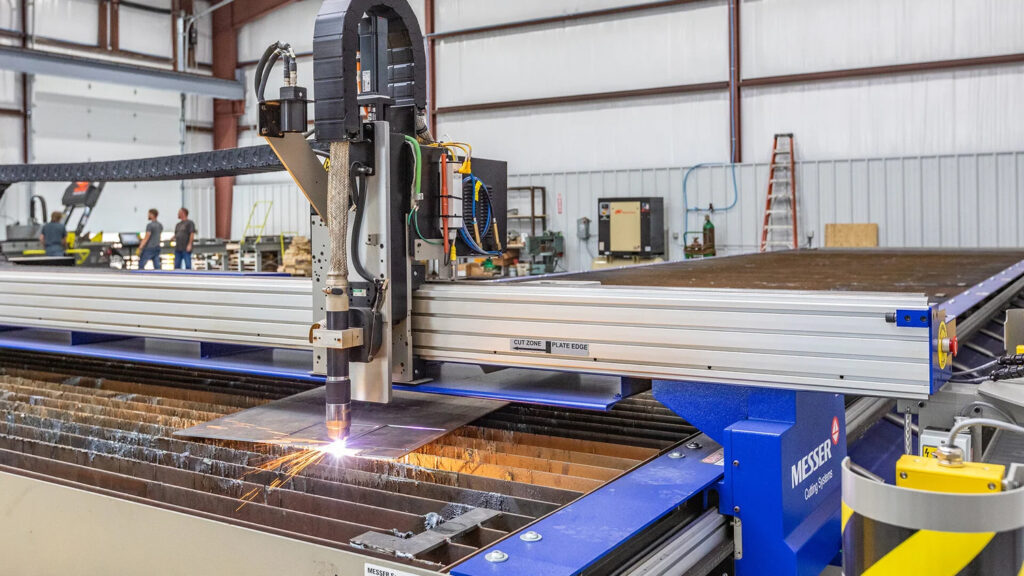
Plasma Cutting: The Versatile Solution for Multi-Material Operations
Your Foundation Process
Plasma cutting mild steel remains the backbone of most fabrication operations due to its speed, cost-effectiveness, and reliability. Modern plasma systems excel at cutting mild steel from thin gauge up to several inches thick, offering:
- Fast cutting speeds that maximize throughput.
- Excellent edge quality for most applications.
- Cost-effective operation with lower consumable costs.
- Minimal heat-affected zone compared to oxyfuel cutting.
The key to cost-effective mild steel cutting lies in optimizing your cutting parameters for your specific material thickness and quality requirements, with Messer Cutting Systems controls that can be easily dialed in.
Precision Plasma Meets Efficiency
When transitioning to stainless steel, stainless steel cutting parameters require careful consideration to maintain both quality and cost-effectiveness:
Critical Parameter Adjustments:
- Amperage settings typically need reduction compared to mild steel.
- Travel speeds may require adjustment for optimal edge quality.
- Gas selection becomes crucial when using nitrogen or argon/hydrogen mixtures, which often produce superior cutting results with clean and precise edges.
- Pierce techniques need modification to prevent excessive dross formation.
Pro Tip: Messer libraries within each control have material types and cutting parameters saved with our OmniWin software. This eliminates guesswork and will reduce setup time between material changes.
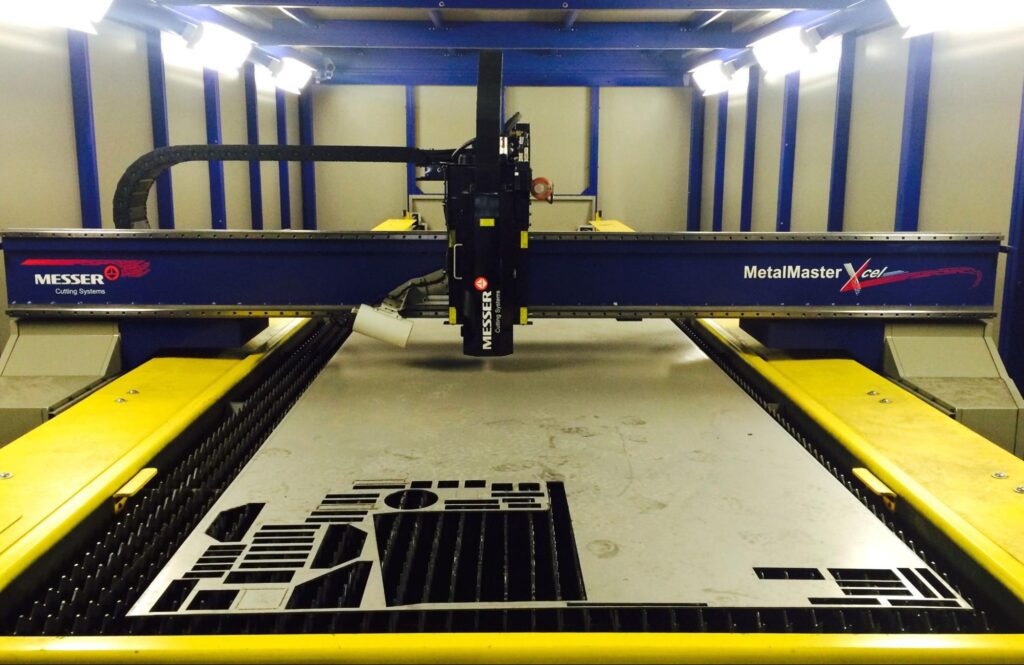
Laser Cutting: When Precision Justifies the Investment
For operations requiring exceptional precision across multiple materials, laser cutting technology offers unmatched versatility. Multi-material cutting with laser systems provides:
- Superior edge quality across all thin material types.
- Minimal heat-affected zones
- Precise dimensional accuracy
- Ability to cut reflective materials like aluminum and copper.
While laser cutting involves higher initial investment and operating costs, the elimination of secondary operations often justifies the expense for high-precision applications. Power efficiency also varies by material and setup; industrial laser systems typically convert only 5% to 45% of input energy into cutting work, according to this laser cutting power consumption overview.
Optimizing Your Multi-Material Cutting Strategy
1. Material Nesting and Scheduling, all made easy with Messer controls.
The most cost-effective approach to multi-material cutting involves strategic job scheduling:
- Nesting to save files to minimize setup changes.
- Batch production runs by material type when possible.
- Plan material transitions during natural production breaks.
- Maintaining material-specific parameter databases is quickly done on the global control.
2. Advanced Nesting Software
Modern nesting software can optimize material utilization across different metal types:
- Automatic material recognition and parameter selection.
- Hone in on cutting paths that minimize pierce time.
- Lead-in/lead-out optimization for different materials.
- Remnant tracking to maximize material utilization.
3. Consumable Management
Strategic consumable selection reduces costs across multiple materials:
- Universal consumables that perform well across material types.
- Material-specific consumables for critical applications.
- Preventive replacement schedules to avoid mid-job failures.
- Inventory optimization to balance performance and cost.
Technology Integration for Maximum Efficiency
CNC Controls and Automation
Modern CNC cutting systems’ controls offer features specifically designed for multi-material operations, enabling shops to reduce energy and material waste. Insights from the U.S. Manufacturing Energy Consumption Survey (MECS) underscore the importance of such efficiencies in reducing overhead across metal fabrication operations.
- Material libraries with pre-programmed cutting parameters.
- Process monitoring to ensure consistent quality.
- Remote diagnostics for troubleshooting and optimization.
Process Assessment and Optimization
Regular process evaluation ensures your multi-material cutting strategy remains cost-effective with Industry 4.0
- Cut quality analysis across different materials.
- Productivity tracking to identify improvement opportunities.
- Consumable usage optimization.
- Maintenance scheduling to prevent costly downtime
- Leveraging research-backed practices for energy efficiency, such as those outlined in this review on energy efficiency in metal forming (MDPI), can further reduce operational waste and improve long-term performance.
Industry-Specific Considerations
Different industries have unique multi-material cutting requirements:

Steel Industry Applications
Heavy plate cutting often involves multiple grades of steel with varying cutting parameters.

Construction Industry Needs
Structural applications frequently require cutting mild steel, weathering steel, and heavy steel.

Automotive Manufacturing
Modern vehicles incorporate multiple metal types requiring precise, efficient cutting solutions for stainless steel and aluminum.
Choosing the Right Machine for Multi-Material Success
When selecting a machine as cutting equipment for multi-material operations, consider:
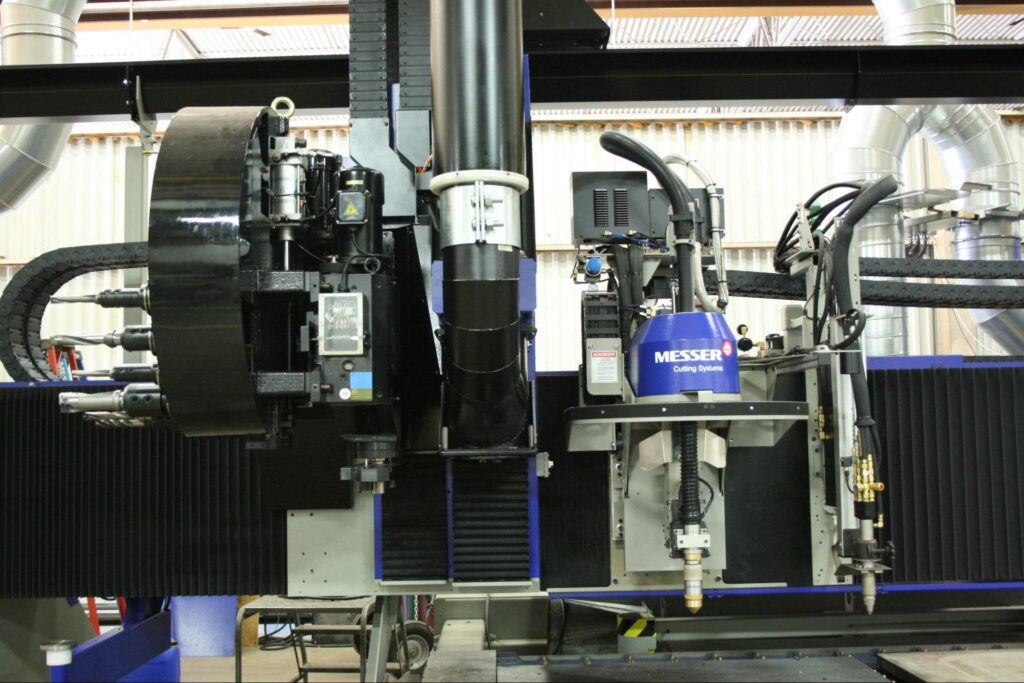
Machine Capability:
- Power range flexibility to handle various material thicknesses.
- Process compatibility (plasma, laser, oxyfuel options).
- Automation readiness for future expansion.
- Retrofit capabilities for future changes in your process cutting.
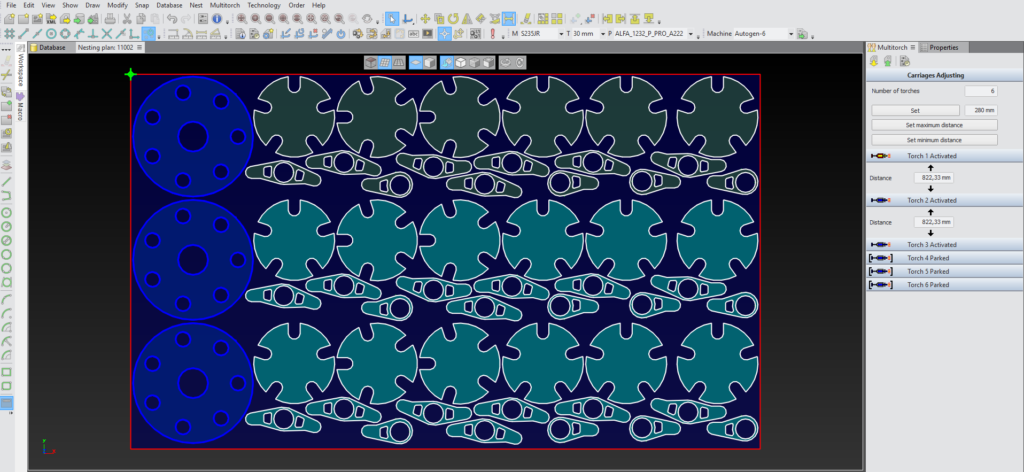
Software Features:
- Material database capabilities
- Nesting optimization for less material waste.
- Production tracking and reporting
Service and Support:
- Training programs for operators and programmers.
- Technical support for parameter optimization.
- Predictive maintenance capabilities.
- Visual and Virtual Service for quick online maintenance.
The Bottom Line: ROI Through Intelligent Multi-Material Cutting
The most cost-effective approach to cutting different metal types on the same machine combines:
- Strategic Messer machine selection that balances capability with cost.
- Develop parameters for each material type.
- Efficient job scheduling to minimize setup time.
- Continuous cutting process improvement through monitoring and analysis.
- Operator training to ensure consistent results.
Ready to Optimize Your Multi-Material Cutting Operations?
Whether you’re looking to upgrade existing equipment, optimize current processes, or implement entirely new cutting solutions, the key to success lies in partnering with Messer Cutting Systems experts.
Contact our cutting specialists today to discuss how modern multi-material cutting solutions can reduce your operational costs while improving productivity and quality. With over 70 years of thermal cutting expertise in North America, we’re ready to help you find the most cost-effective solution for your unique multi-material cutting challenges.